Building date:
Original use:
Corner structures:
Mortar application and content:
Types and uses of stones:
Types and choice of windows:
Structures with similar masonry details:
Masons who worked on building:
Unique features:
Map views courtesy Google Maps. Address is Google Earth confirmed; 43°11'25.36"N 80°23'22.31"W.
City of Paris and Brant County Maps.
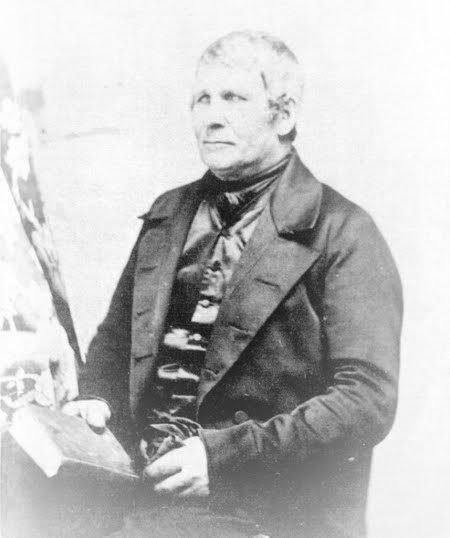
James Bilton Barker came from Lincolnshire, England, in the 1820s and was one of the first settlers of Paris. He married Elizabeth Frances Gadd and they had nine children. James set up a blacksmith shop and built a log cabin behind the Mitchell House. Samuel Barker, the eldest son of James and Elizabeth, was the second child born in Paris. In 1840 they bought 75 acres of land at the end of what is now Barker Street from Thomas Gadd, Elizabeth's father. Barker Street was originally their laneway.
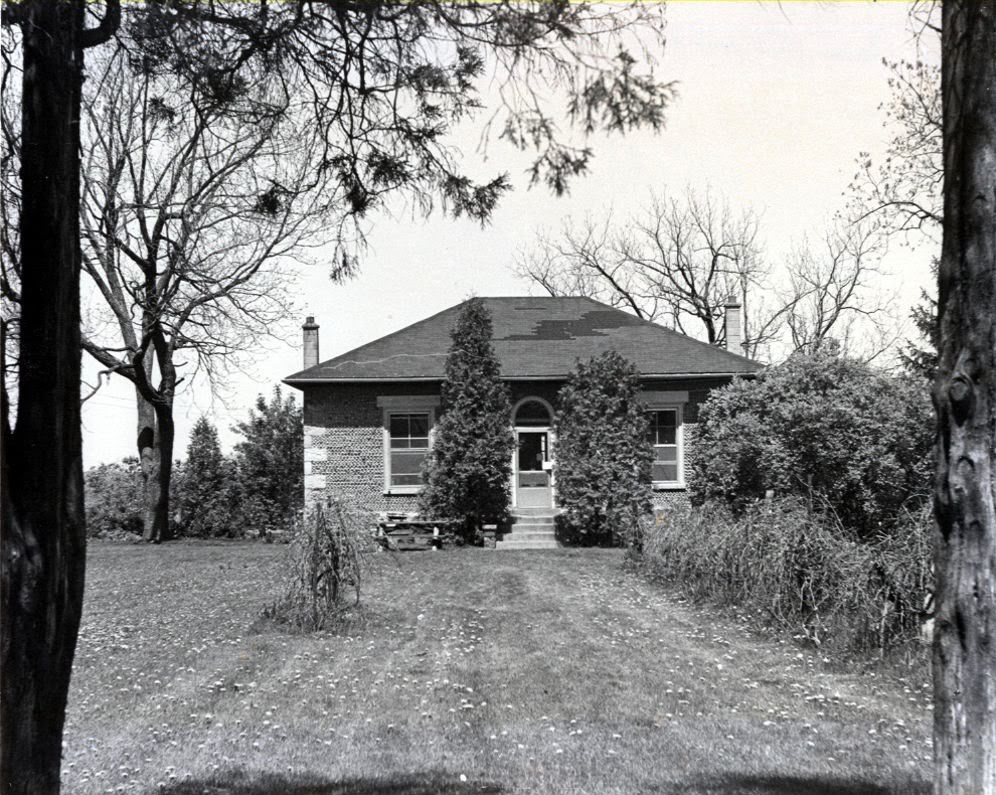
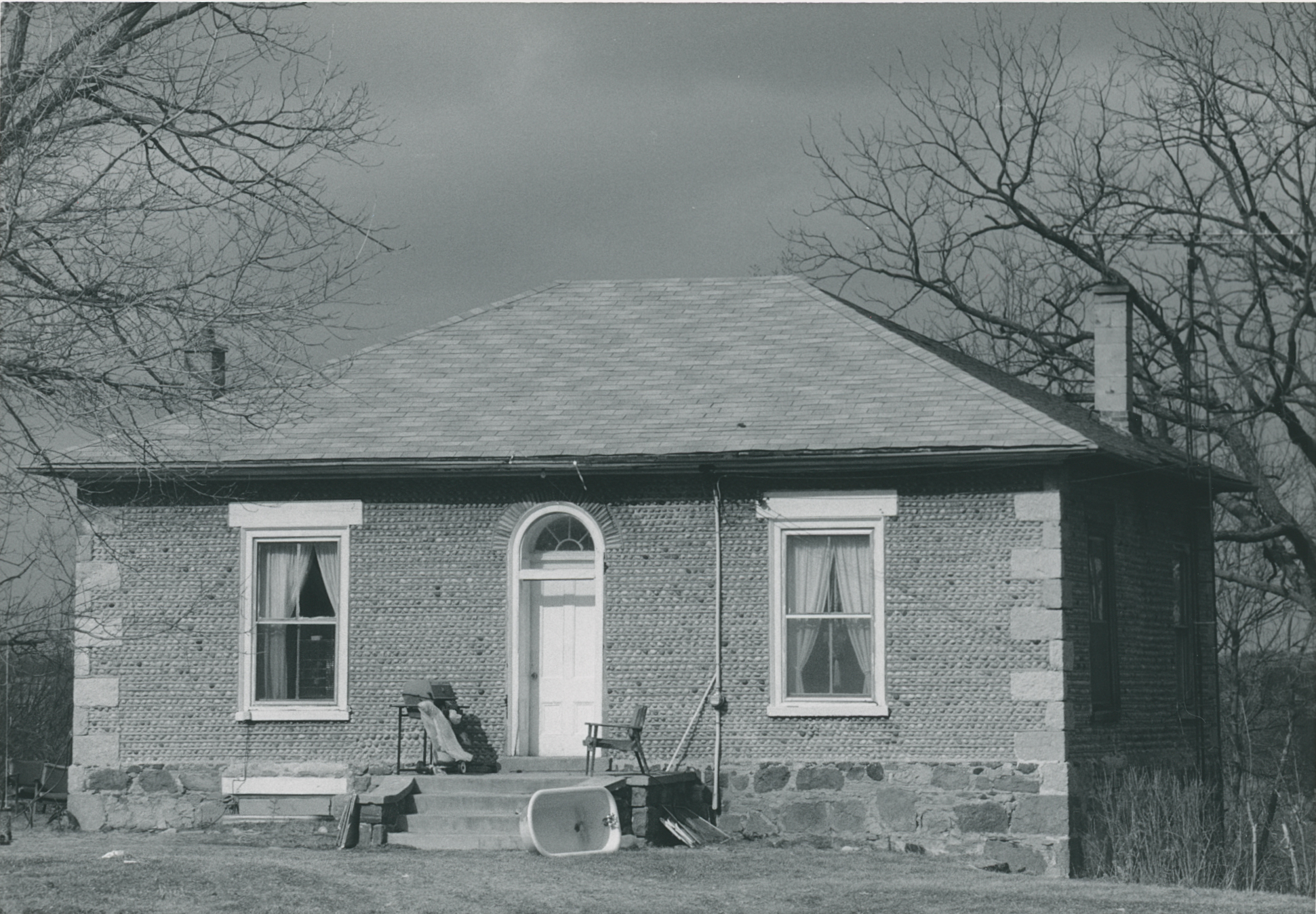
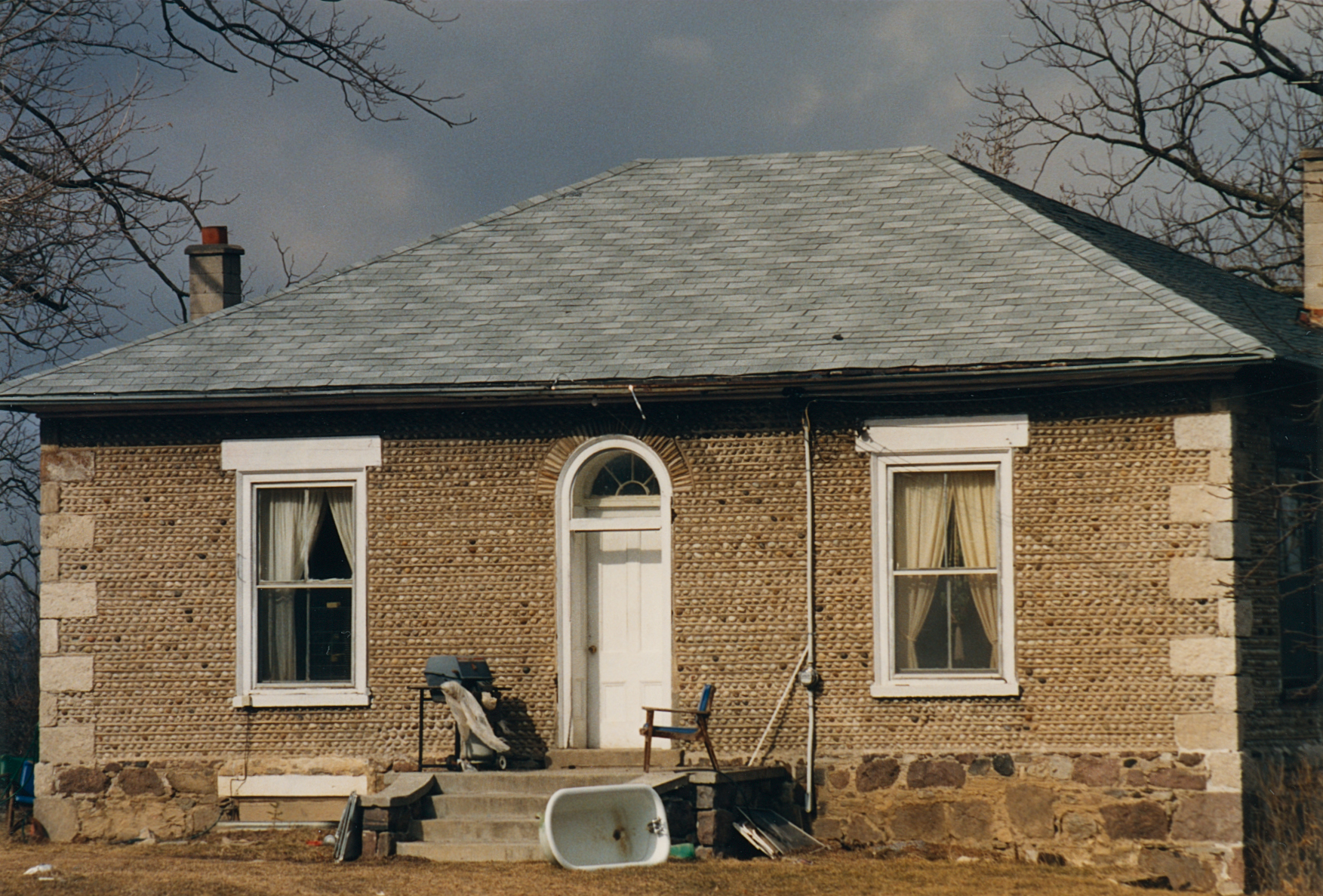
In 1841 Barker began building his house. Cobblestones were collected from along the Grand River. He may have done some of the work himself. The single story Regency-design has cobblestone veneer on all four exterior walls which was more costly and unusual. Because the house was built on the side of a steep hill, a complete lower level allowed them to have a walk out basement housing the kitchen pantry and dining room. The bedrooms were on the main floor. Later James and Elizabeth Luck resided here. Over the years the property changed owners many times and fell into disrepair and became derelict. It has been re-developed as a premier property worth upwards of $3 million. Richard Palmer blog.
Cobblestones of Paris, by Paris Museum and Historical Society. Portion of pamphlet that applies to the Barker House.
Barker House, County of Brant Public Library Digital Collections
24 Barker Street, Paris, Ontario video, exterior and interior after restoration. Real estate brochure
- "Cobblestone Masonry", 1966, Carl Schmidt: Name reference, Barker - Csordas House
- Page 223
.jpg)
 before restoration.jpg)
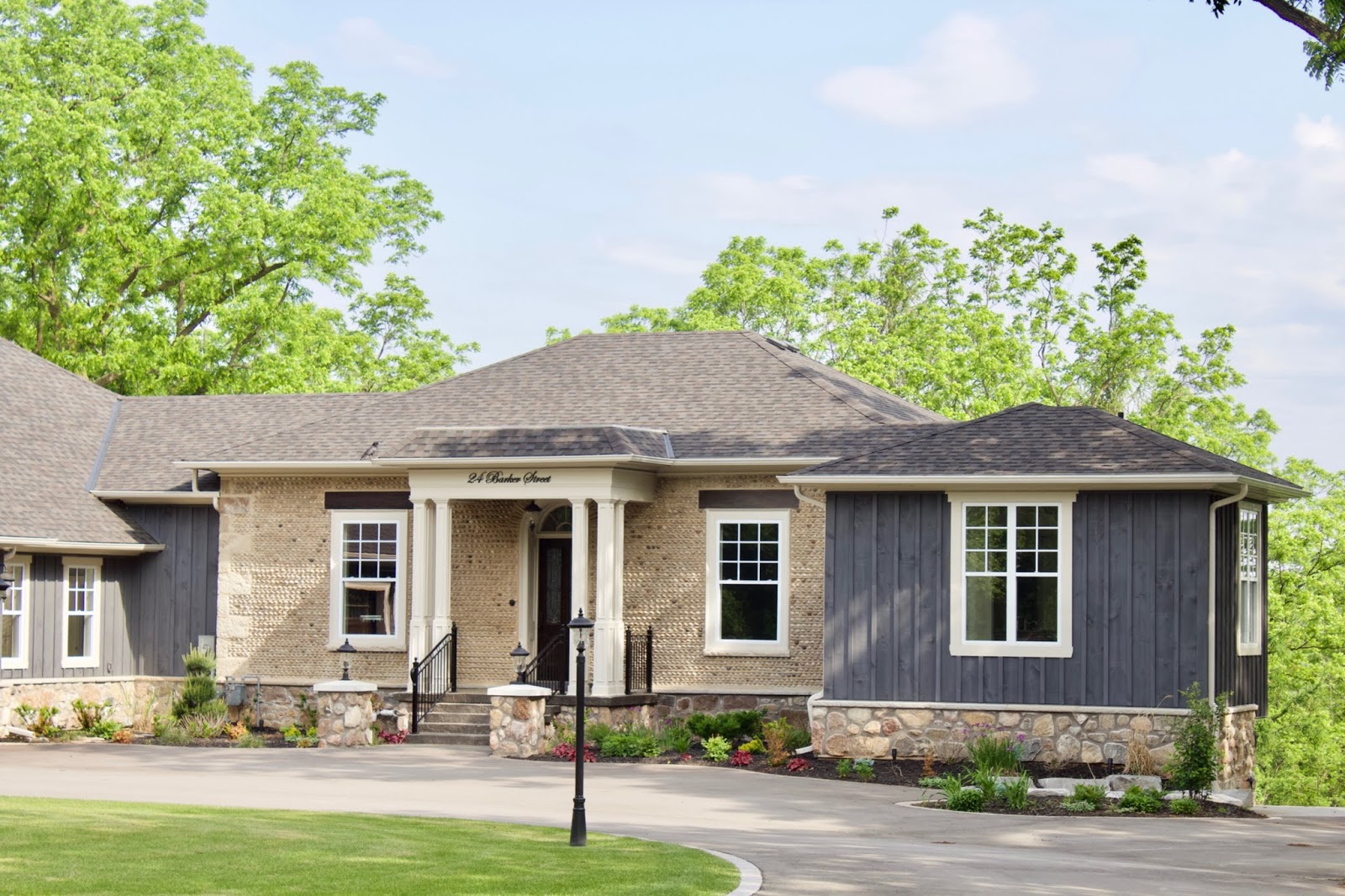
¹ Image courtesy Richard Palmer blog. Attribution not provided.
² Image courtesy County of Brant Public Library.
³ Photography courtesy Martin and Sheila Wolfish.
4 Photography courtesy Richard Palmer.
